Green Hydrogen Innovation Centre (GHIC)
ADN – Nyeri Hill Farm Kicks Off the Green Hydrogen Innovation Centre to Transform Agriculture and Healthcare
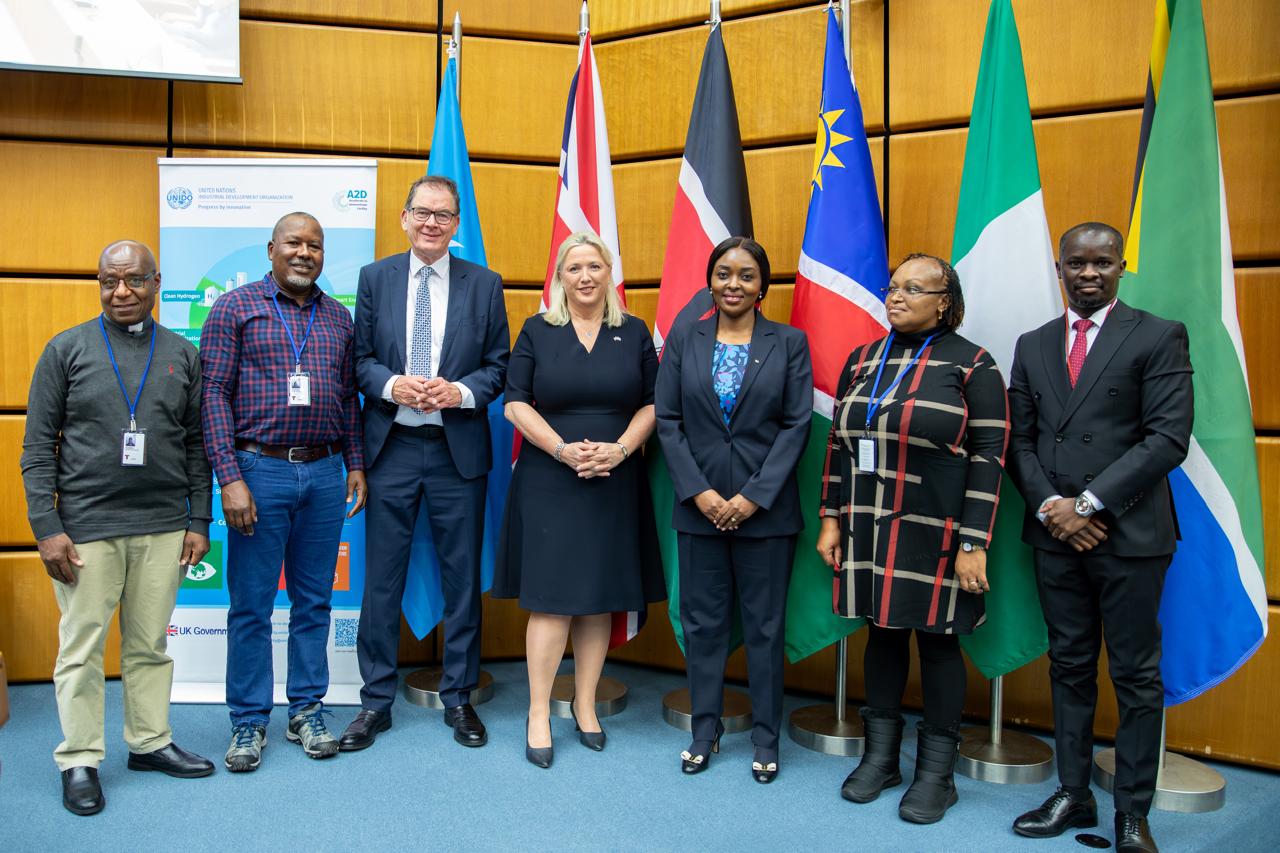
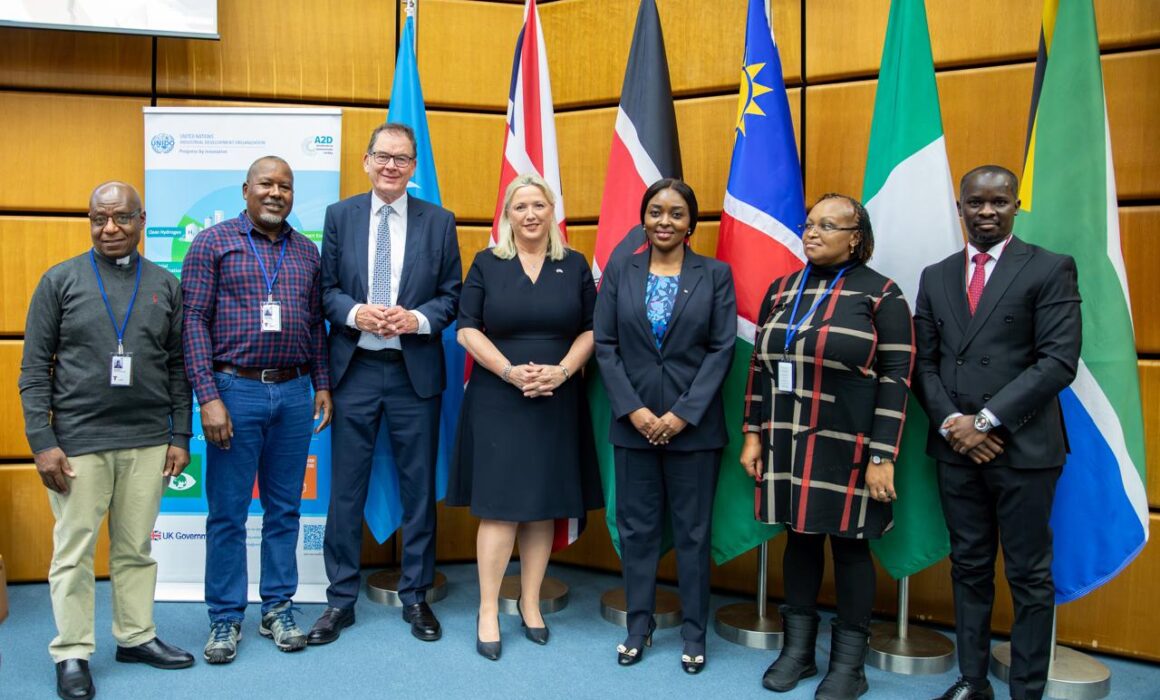
Nyeri Hill Farm has launched the Green Hydrogen Innovation Centre (GHIC) on the 25th February in Austria, an ambitious initiative designed to integrate renewable energy, sustainable agriculture, and healthcare support. The project will use solar energy to produce green hydrogen, which will then be converted into green ammonia fertilizer for coffee farming while also generating medical-grade oxygen for nearby hospitals.
The project represents an innovative model that connects clean energy technology with agricultural production and healthcare services. By reducing dependence on imported fertilizers and improving access to medical oxygen, the initiative contributes to Kenya’s broader goals of sustainable development, climate action, and rural economic growth.
Project Overview
Project Name: Green Hydrogen Innovation Centre (GHIC)
Location: Nyeri, Kenya
Project Duration: March 2026 – October 2028
Thematic Area: Clean Hydrogen and Sustainable Agriculture
Key Outputs
Production of 56.8 tons of green ammonia fertilizer annually
Generation of 56.4 million litres of medical-grade oxygen per year
Reduction of greenhouse gas emissions through renewable energy use
Project Partners
The Green Hydrogen Innovation Centre is being implemented through a collaboration between local and international partners bringing expertise in hydrogen technology, renewable energy systems, project financing, and development support.
Lead Organization
The project is led by Nyeri Hill Farm, a large-scale Arabica coffee estate operated under the Archdiocese of Nyeri.
Technology and System Integration
• PT MBR Global Indonesia – Responsible for integrating hydrogen-based energy systems built around advanced electrolyser technology.
• Enapter GmbH – Developer of the AEM Electrolyser technology used for green hydrogen production.
• Nium Ltd – Manufacturer of nano-catalyst ammonia synthesis equipment used to produce green fertilizer.
Renewable Energy Partner
• Soventix GmbH – Responsible for implementing the solar photovoltaic and battery systems that power the hydrogen production process.
Local Implementation Partner
• CapsHydrogen Energy Limited – Serves as the local partner supporting system deployment and project coordination.
Financing and Development Support
• Starkmacher Impact GmbH – Co-financier of the project.
• Project Development Programme (PDP) – Provides development support under the German Federal Ministry for Economic Affairs and Energy.
• GET.invest Finance Catalyst – Provides financial and legal advisory support to the project’s technical committee.
Addressing Key Challenges in Coffee Farming
Kenya’s premium Arabica coffee is internationally recognized for its quality and distinctive flavor. However, national coffee production remains relatively low, estimated at approximately 53,300 tonnes annually according to recent national statistics.
One of the main constraints affecting coffee farmers is the high cost of agricultural inputs, particularly nitrogen-based fertilizers that are largely imported. Fluctuating global prices and supply chain disruptions continue to increase production costs and affect farm profitability.
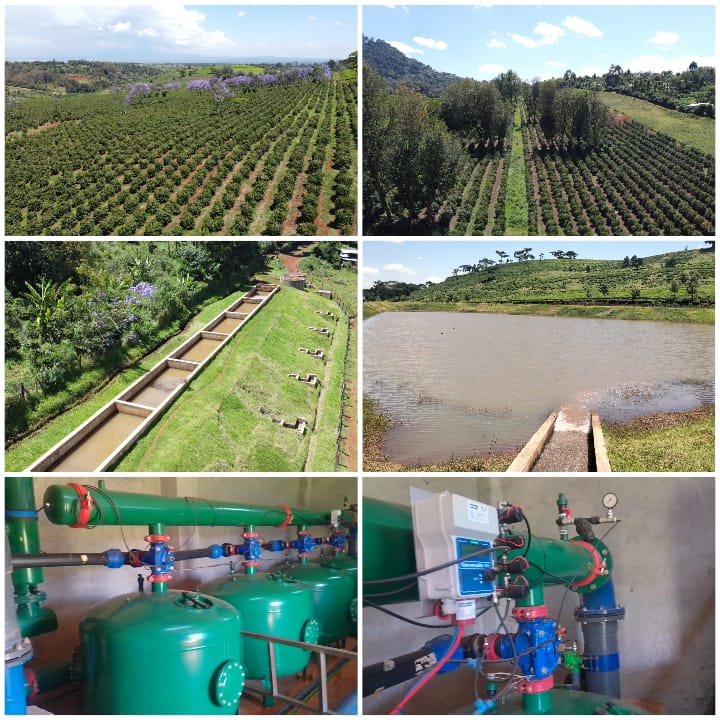
Nyeri Hill Farm, which currently cultivates 825 acres of Arabica coffee within a 3,000-acre estate, uses approximately 180,000 kilograms of Calcium Ammonium Nitrate fertilizer annually to maintain production levels. Reducing reliance on imported fertilizer therefore represents a significant opportunity to improve both sustainability and cost efficiency.
Supporting Healthcare Through Local Oxygen Production
Access to medical oxygen remains a critical challenge in many healthcare systems, particularly during health emergencies and respiratory illness treatment.
One of the key beneficiaries of the Green Hydrogen Innovation Centre will be Consolata Hospital Mathari, a major healthcare facility serving the region. The hospital requires approximately 56.2 million litres of medical oxygen annually, and currently sources a significant portion of this supply externally.
The hydrogen production process naturally produces oxygen as a by-product. By capturing and purifying this oxygen, the project will generate approximately 56.4 million litres of medical-grade oxygen each year, providing a reliable local supply for healthcare facilities.
How the Green Hydrogen System Works
The Green Hydrogen Innovation Centre uses renewable energy to produce hydrogen through a process known as electrolysis.
The system operates in several stages:
Solar Power Generation
Solar photovoltaic panels generate renewable electricity.Water Electrolysis
The electricity powers electrolyzers that split water molecules into hydrogen and oxygen.Green Ammonia Production
Hydrogen is combined with nitrogen using specialized synthesis technology to produce ammonia fertilizer.Medical Oxygen Supply
Oxygen produced during electrolysis is purified and distributed to nearby healthcare facilities.
This integrated process enables the production of fertilizer and medical oxygen simultaneously while using renewable energy sources.
Environmental Impact
The Green Hydrogen Innovation Centre contributes to Kenya’s climate action goals by replacing fossil-based fertilizer production with renewable alternatives.
The project is expected to:
Avoid approximately 226 tons of carbon dioxide emissions annually
Reduce emissions associated with fertilizer transportation and production
Promote the adoption of renewable energy technologies in agricultural systems
Over the lifetime of the project, these measures will contribute to significant reductions in greenhouse gas emissions while demonstrating practical pathways for decarbonizing agricultural supply chains.
A Model for Sustainable Development
Beyond its immediate benefits for Nyeri Hill Farm and nearby healthcare facilities, the Green Hydrogen Innovation Centre is designed as a demonstration project for decentralized green hydrogen systems.
The project follows a phased development approach:
Phase 1: Demonstration facility serving Nyeri Hill Farm and nearby hospitals.
Phase 2: Expansion to supply neighbouring farms and healthcare facilities.
Phase 3: Larger-scale fertilizer production for regional and national distribution.
By integrating renewable energy, sustainable agriculture, and healthcare support, the initiative creates a replicable model that could be adopted across Kenya and other agricultural regions in Africa.
Looking Ahead
Nyeri Hill Farm continues to position itself as a leader in sustainable agriculture and innovation. Through the Green Hydrogen Innovation Centre, the farm aims to demonstrate how modern technology can strengthen agricultural productivity while also delivering social and environmental benefits.
As the project progresses, the centre is expected to serve as a hub for research, knowledge sharing, and capacity building in green hydrogen technologies, helping to advance sustainable development across the region.