Green Hydrogen Innovations Centre Breaks Ground at Nyeri Hill Farm.
1 September 2026 | Nyeri Hill Farm, Mathari, Nyeri County
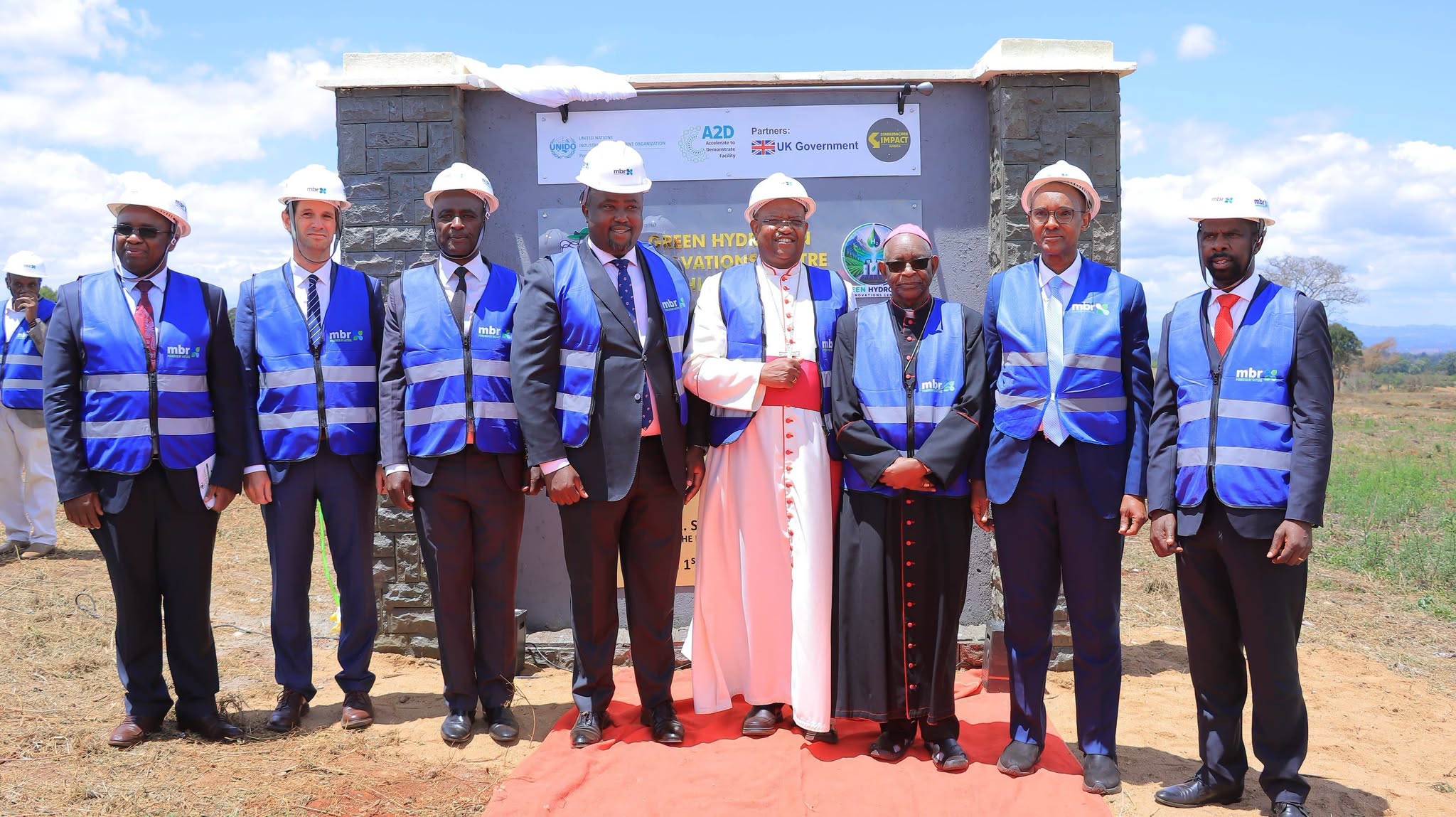
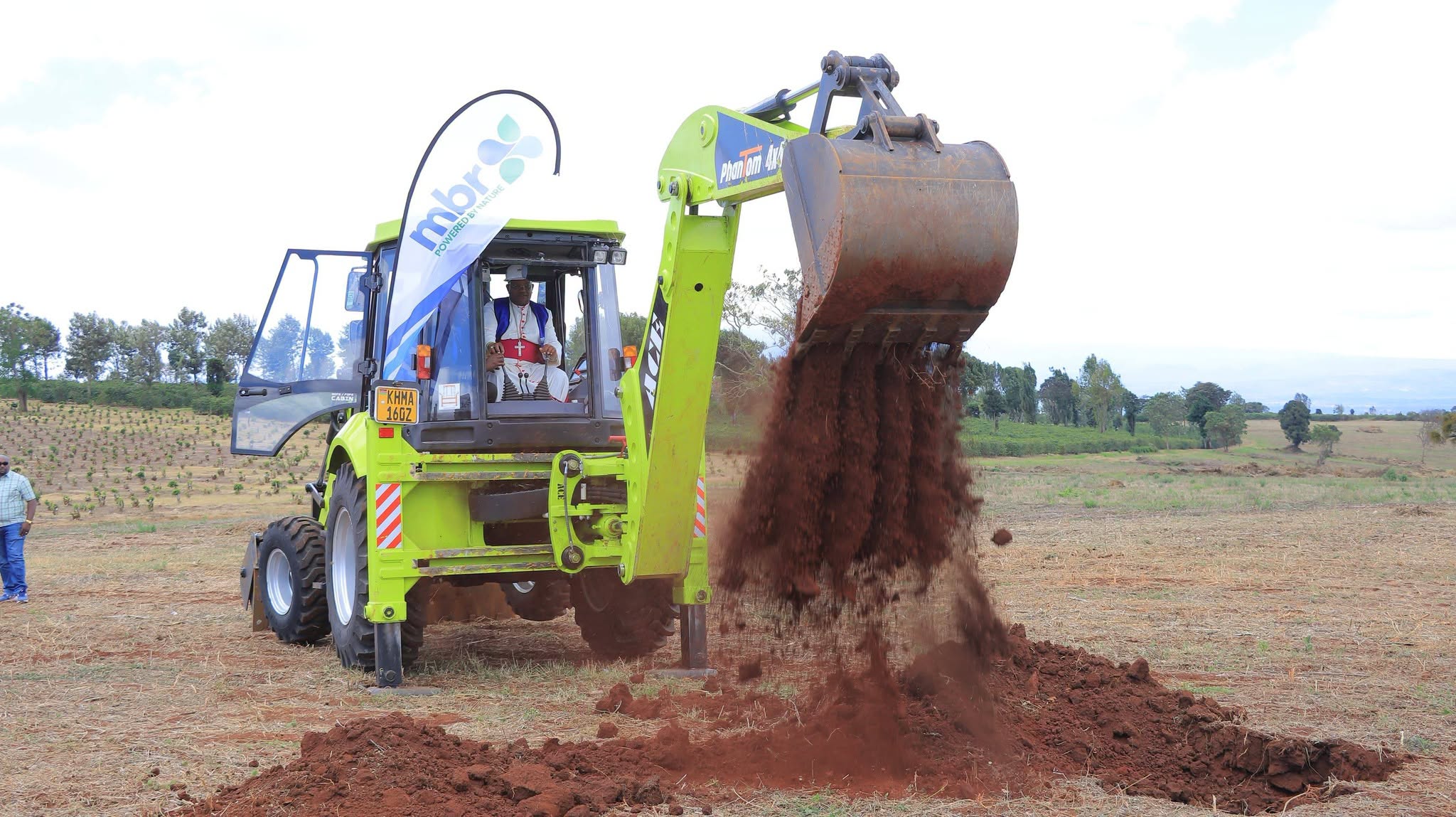
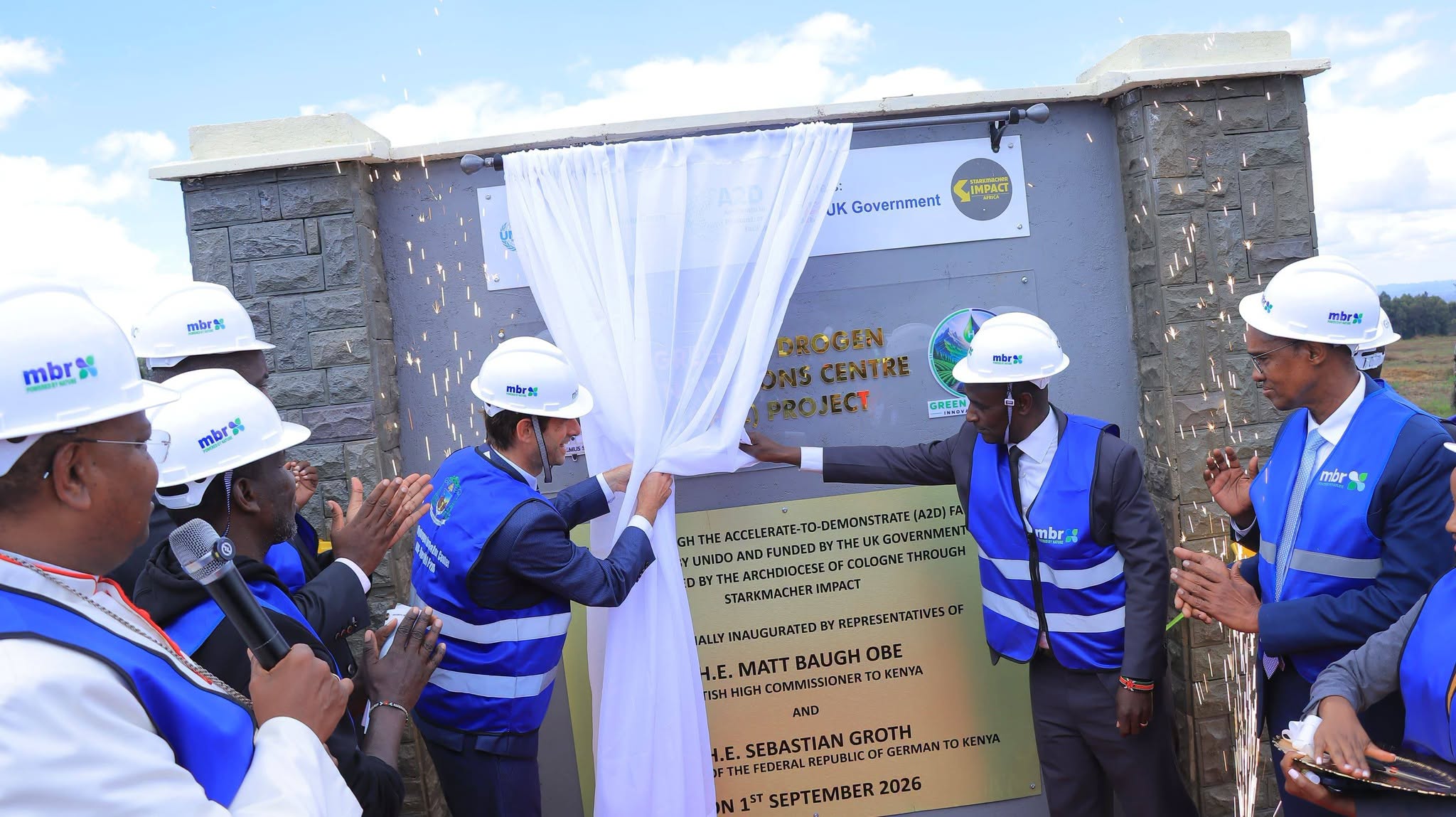
The Green Hydrogen Innovations Centre (GHIC) marked a significant milestone with its ground-breaking ceremony at Nyeri Hill Farm, Mathari, on 1 September 2026, with His Grace Archbishop Anthony Muheria serving as the Guest of Honour. The initiative seeks to demonstrate how renewable energy can be harnesed into green ammonia-based fertiliser for coffee farming and medical-grade oxygen for healthcare facilities.
The GHIC project is financed through the Accelerate-to-Demonstrate (A2D) Facility, managed by UNIDO and funded by the UK Government, and co-financed by the Archdiocese of Cologne through Starkmacher Impact.
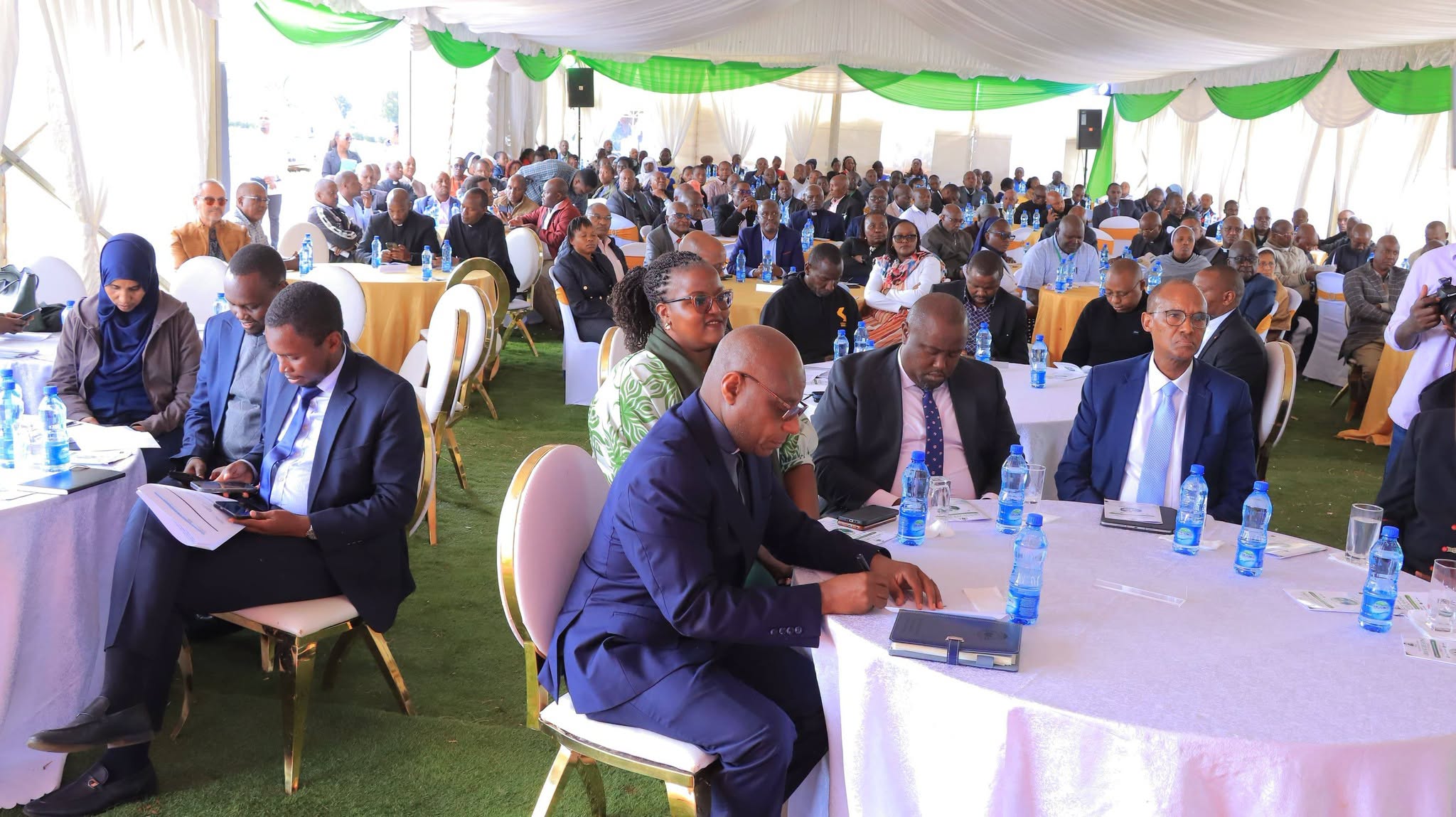
The ceremony brought together government representatives, development partners, academia and other stakeholders to mark an important step towards integrating clean energy technology with agricultural production and healthcare in Kenya.
From Solar Energy to Green Hydrogen
At the heart of GHIC is a system designed to use solar power to produce green hydrogen, which serves as the key ingredient in the production of green ammonia. The project will also recover oxygen generated during hydrogen production for purification into medical-grade oxygen.
The process begins with a solar photovoltaic system that generates renewable electricity. This electricity powers an electrolyser, which splits purified water into hydrogen and oxygen through a process known as electrolysis.
The hydrogen is then combined with nitrogen extracted from the air using specialised ammonia synthesis technology to produce green ammonia. This ammonia will support the production of nitrogen-based fertiliser for coffee farming at Nyeri Hill Farm.
Meanwhile, the oxygen produced during electrolysis will be captured, purified and prepared for medical use, with Consolata Hospital Mathari among the intended beneficiaries.
By bringing these processes together at one site, GHIC aims to demonstrate how renewable energy can serve more than one essential need, supporting both agricultural production and healthcare while reducing reliance on conventional supply chains.
Supporting Coffee Farming and Healthcare
Nyeri Hill Farm spans more than 3,000 acres, with approximately 825 acres dedicated to Arabica coffee. Maintaining coffee production requires substantial quantities of nitrogen-based fertiliser, much of which is currently sourced through importers.
Through GHIC, the farm aims to produce approximately 56.8 tonnes of green ammonia annually for fertiliser production. Local production could help reduce exposure to imported fertiliser supply disruptions and price fluctuations while demonstrating an alternative approach to agricultural input production.
The project also targets the production of approximately 56.4 million litres of medical-grade oxygen annually. Consolata Hospital Mathari, which has a substantial demand for medical oxygen, is an important intended beneficiary.
These are projected annual outputs once the facility is operational. The project is expected to demonstrate how a single renewable-energy-powered system can contribute to agricultural productivity and healthcare access.
Advancing Climate Action
The project is expected to avoid approximately 226 tonnes of carbon dioxide emissions annually, through the use of renewable energy and the replacement of conventional fertiliser supply.
By producing green ammonia using renewable electricity rather than relying on conventional fossil-fuel-intensive production pathways, GHIC seeks to demonstrate a lower-emission alternative for agricultural inputs.
Beyond its immediate benefits, the project is intended to generate practical knowledge and experience that could inform the development of similar decentralised green hydrogen systems in Kenya and other parts of Africa.
The initiative aligns with wider efforts to advance climate action, strengthen local value chains and explore technologies that support sustainable industrial development.
About the Project Partners
The Green Hydrogen Innovations Centre brings together technology providers, implementation partners and development-support organisations whose expertise contributes to the establishment of the demonstration facility.
-
PT MBR Global Indonesia is a manufacturing integrator specialising in hydrogen-based systems built around Enapter’s Anion Exchange Membrane (AEM) electrolyser technology.
-
Enapter GmbH is a pioneer in commercialised AEM electrolysers and conducts research and development in AEM electrolysis technology.
-
Soventix GmbH is a German company with operations in Kenya, specialising in the implementation of small- and large-scale solar photovoltaic (PV) and battery systems.
-
Nium Ltd manufactures nano-catalyst ammonia synthesis equipment.
-
CapsHydrogen Energy Limited is a Kenyan company serving as the local agent for PT MBR Global Indonesia.
-
Starkmacher Impact GmbH is a co-financier of the GHIC project.
-
The Project Development Programme (PDP) has provided continuous project development support from the project’s inception through implementation. PDP is part of the German Energy Solutions Initiative of the German Federal Ministry for Economic Affairs and Energy.
-
GET.invest Finance Catalyst provides financial and legal advisory support to Nyeri Hill Farm’s Project Technical Committee.
Together, the partners contribute to the development of a demonstration facility that seeks to connect international technical expertise with local implementation and community needs.
A Commitment to Care for Creation
In his remarks, Archbishop Anthony Muheria described the ground-breaking as a significant milestone and a testimony to the solidarity and collaboration of different partners. He expressed appreciation for the vision of Pope Francis through Laudato Si’ and thanked all partners for believing in the Archdiocese and supporting the project.
“We start a long journey that is worth undertaking for the sake of Mother Earth and for the sake of God.”
The Archbishop’s remarks reflected the Archdiocese of Nyeri’s commitment to environmental stewardship and the responsible care of creation. Through GHIC, this commitment is being pursued alongside practical efforts to explore renewable energy solutions that respond to agricultural, healthcare and environmental needs.
Looking Ahead
The GHIC project has an implementation period running for 18 months. The ground-breaking ceremony marked an important transition towards establishing the demonstration facility at Nyeri Hill Farm.
As implementation progresses, the centre aims to demonstrate the practical application of green hydrogen technology in Kenya, while creating opportunities for research, skills development and knowledge sharing.
By connecting solar energy, fertiliser production and medical oxygen, GHIC represents an innovative approach to linking climate action with community development. Its experience could provide useful lessons for future projects seeking to apply green hydrogen technology to local agricultural and healthcare needs.
The ground-breaking therefore marks the beginning of a journey towards exploring cleaner production methods, strengthening local capacity and advancing a more sustainable future for Kenya.